
Independent comparison site · Advertiser Disclosure Last updated Sep 2026

Do Fall Detection Watches Need Daily Charging?

In short: Most medical alert smartwatches last about a day on a charge and must be charged every night. A device on the charger is not on the wrist, so daily charging creates a window of risk. Some wrist-worn devices use a replaceable battery that lasts up to two years, removing the daily routine entirely.

Why charging is really a safety question

It is easy to think of battery life as a convenience detail. For a medical alert device, it is more than that. Every hour a watch sits on its charging cradle is an hour it is not protecting the person who needs it. For an older adult who falls most often at night or early in the morning, a watch charging by the bed at the wrong moment is a real gap.

Daily charging also depends on memory and routine. A missed night, a watch left off after a shower, or a charger knocked loose can all leave someone unprotected without anyone realizing it.

How long popular fall detection watches last

Battery life on wrist-worn medical alert watches is generally short, because the screen, cellular connection, and sensors draw a lot of power. Based on each company’s published product and review information as of June 2026:

  • Medical Guardian MGMove: about one day per charge, charged daily.
  • Bay Alarm Medical SOS Smartwatch: about one day per charge, charged nightly.
  • LifeFone Safe Watch Active: up to 24 hours, charged daily.
  • LifeStation Sidekick Smart: charged every one to three days.

The pattern is clear: most fall detection watches are built around a nightly charging habit, much like a phone.

The long-battery alternative

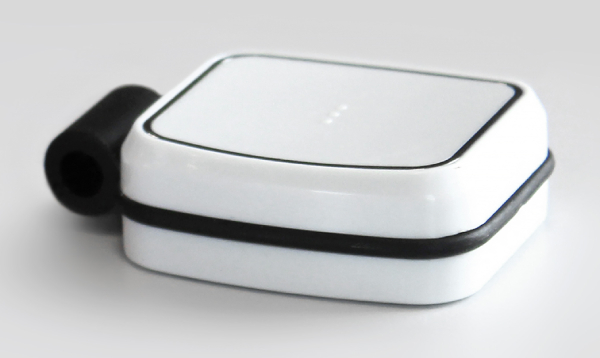
Not every wrist-worn device works this way. Wrist-Worn Fall Detection, available through Medical Alert, uses a replaceable battery that lasts up to two years rather than a rechargeable one. There is no charging cradle and no nightly routine. When the battery does run low, it is replaced easily, so protection continues without interruption.

For many families, that removes one of the biggest worries with a medical alert watch: the fear that the device was not charged when it mattered.

Key takeaways

  • Most medical alert smartwatches last about a day and need nightly charging.
  • Time on the charger is time off the wrist, which is a safety gap.
  • A replaceable battery that lasts up to two years removes the daily charging routine.

Learn more

See how battery life and other features compare across wrist devices in our full comparison, or read how Wrist-Worn Fall Detection works.

Fall Detection Watches for Seniors: How They Work and How to Choose

In short: A fall detection watch is a wrist-worn medical alert device that automatically senses a hard fall and connects the wearer to a 24/7 monitoring center, even if they cannot press a button. When choosing one, the features that matter most are reliable fall detection, battery life, a waterproof design, and whether fall detection is included.

What a fall detection watch does

A fall detection watch combines two jobs in one device. First, it gives the wearer a help button they can press anytime they feel unwell, dizzy, or unsafe. Second, it adds automatic fall detection, which uses motion sensors to recognize the signs of a hard fall and send an alert on its own. That second job matters because a serious fall can leave someone unable to reach a phone or press a button.

When an alert goes out, a trained monitoring agent connects through the device, checks on the wearer, and sends the right help. Good systems use 24/7 U.S.-based monitoring so there is always a real person on the line.

Wrist versus pendant: what is the difference?

Both can work well, and the best choice depends on the person. A pendant is simple and familiar, but some people set it on the nightstand and forget to wear it. A watch stays on the wrist the way a regular watch does, so it tends to be worn more consistently, and help is always within reach.

The wrist also fits how many older adults already live. A watch looks ordinary, so it does not feel like a medical device. The trade-off to check is whether the watch includes automatic fall detection and how often it needs charging, which we cover below.

What to look for before you buy

  • Fall detection that is included, not extra. Many watches treat automatic fall detection as a paid add-on. Confirm whether it is included and what it costs.
  • Reduced false alarms. Wrist sensors can misread normal arm movement. Look for technology designed to tell everyday motion from a real fall, so alerts stay meaningful.
  • Battery life and charging. Most medical alert smartwatches must be charged every day, which can leave gaps in protection. Some devices use a long-life replaceable battery instead, so there is no nightly routine.
  • Waterproof design. Many serious falls happen in the bathroom. A waterproof watch can be worn in the shower, so the wearer is never unprotected.
  • 24/7 U.S.-based monitoring. Confirm that pressing the button or a detected fall connects to a staffed monitoring center, not just a text to a family member.
  • Comfort and look. A light, watch-style design with a simple band, such as black or white, is more likely to be worn all day.

Key takeaways

  • A fall detection watch adds automatic fall detection to a wrist-worn help button.
  • Worn on the wrist, it tends to be used more consistently than a pendant.
  • Prioritize included fall detection, reduced false alarms, long battery life, and a waterproof design.

How to get a wrist-worn fall detection watch

Wrist-Worn Fall Detection is available through Medical Alert as part of the In-Home Cellular Assure unit. It includes automatic fall detection with reduced false alarms, a waterproof design for the shower, a battery that lasts up to two years with easy replacement, and 24/7 U.S.-based monitoring. A Medical Alert specialist sets it up and confirms current pricing when you order.

Want to see how it stacks up against other wrist devices? Read the full comparison, or learn more about how it works.